Start Here When Water Gets In
A burst pipe, a failed water heater, or a storm that pushed water under the door can leave any home in a mess. It helps to slow down for a moment and sort the job into two piles: what you can handle, and what needs a pro.
Risedirectly Restoration is a referral service for homeowners in Greenville and the Upstate area. We do not do the work. We connect you with independent providers in our network who handle emergency water damage repair, water extraction and structural drying.
You can mop up a small spill, move a rug, and shut off the water. You should leave soaked walls, wet insulation and standing water in a basement to a provider with the right gear.
The quickest way to begin is to send a short request with a few details.
Get an Estimate
If you would rather talk, Request a callback to check provider availability. Hours vary by provider.
Get an Estimate
How It Works
What Risedirectly Restoration does
We are a referral service. You tell us what happened, and we help match you with an independent provider near you. The provider visits, inspects and gives you a written quote. Any work is between you and that provider.
Where you can help
Some steps are safe for most homeowners:
- Turn off the water at the main valve if a pipe is the cause.
- Switch off power to wet areas only if you can reach the panel without standing in water.
- Lift small items, books and furniture off wet floors.
- Open windows and run a fan if the air outside is dry.
- Take photos before you move or throw out anything.
Where a pro is needed
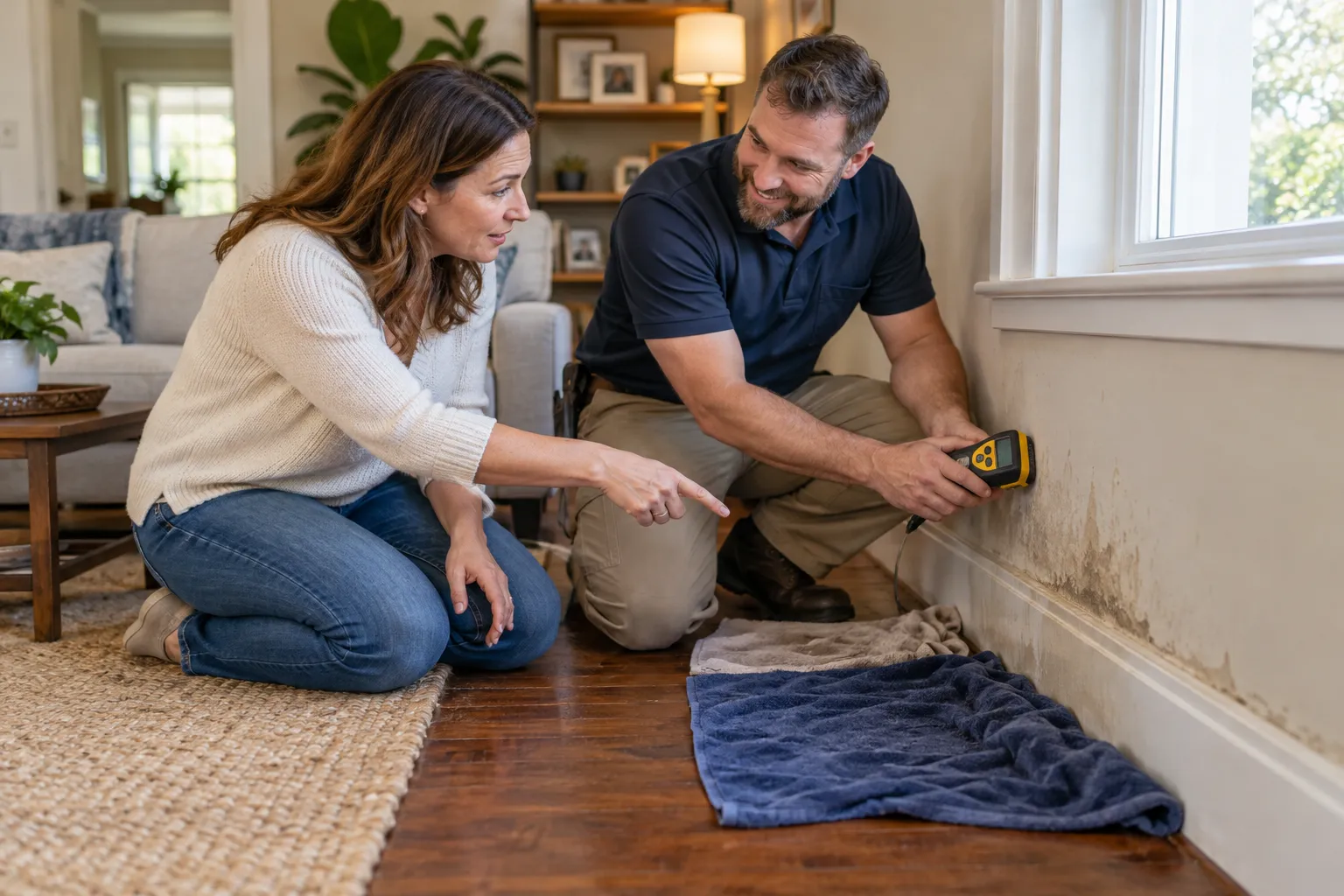
Plain fans and towels cannot dry what is inside a wall or under a floor. Providers use pumps, extractors, moisture meters and air movers to find hidden water and dry it fully. Skipping this step is how musty smells and mold can show up weeks later.
Standing water deeper than a few inches, sewage, or water near electrical outlets is not a do-it-yourself job.
Keep your paperwork ready
Write down when you found the water, what you think caused it, and what you moved. Keep receipts. Providers can often help document damage for a claim, and some policies may cover sudden damage, so check your policy.
Serving Greenville and Nearby
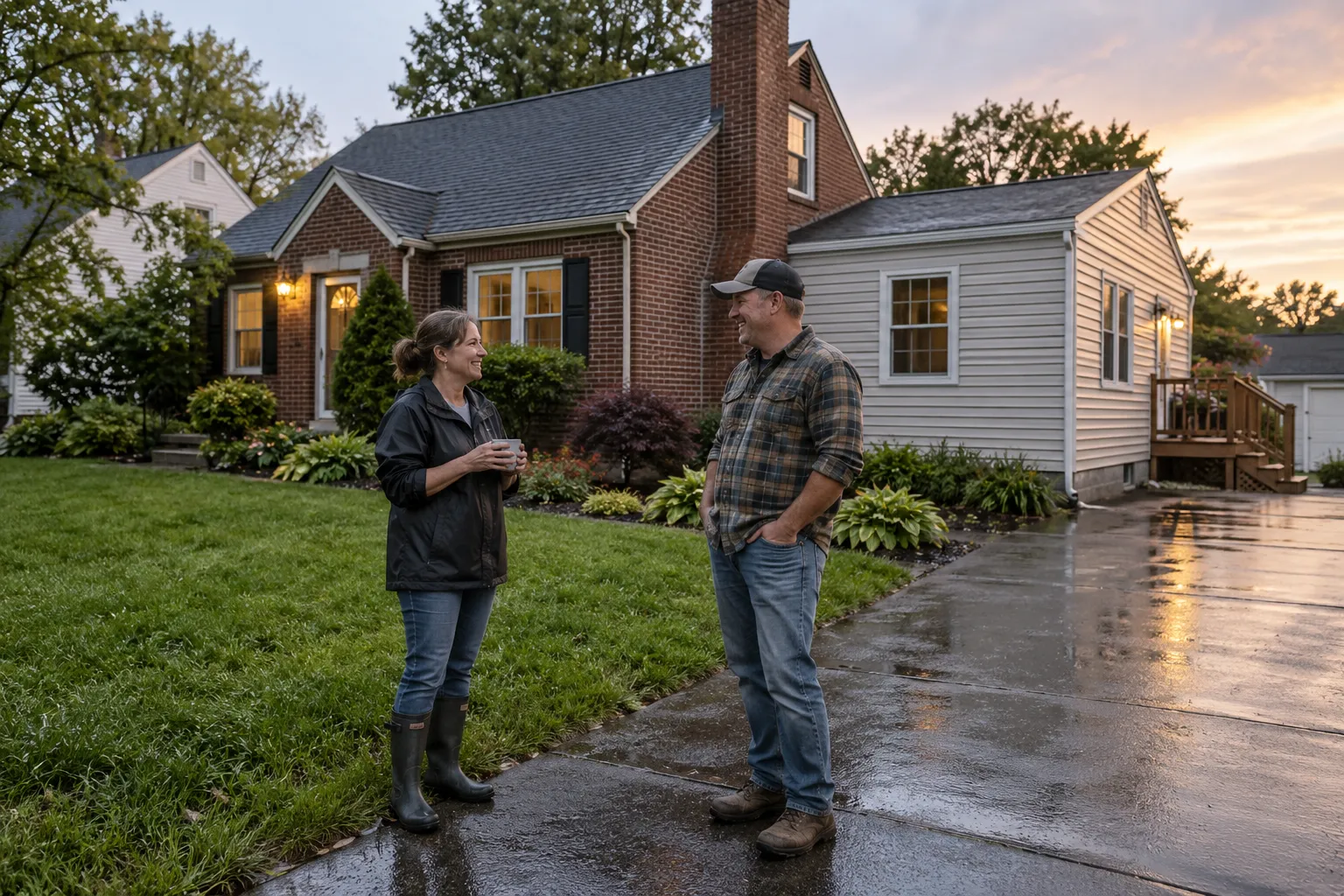
Homes in the Upstate area face a mix of weather. Hot, humid summers keep damp spaces from drying on their own. Thunderstorms can push water through doors, windows and low spots. Now and then an ice storm freezes pipes, and the remains of tropical systems can bring days of heavy rain.
The houses vary too. Older mill-era homes may have aging plumbing and low crawl spaces. Newer subdivisions often sit on slabs, where a leak can hide under flooring. Brick and vinyl siding each handle wet weather a little differently.
Because of this mix, a flooded basement cleanup in one house looks very different from a wet crawl space in another. Providers in our network know these local patterns and can explain what they find.
To see who is available near you, send a request with your address area and a short description.
Get an Estimate
Helping Neighbors Stay Dry
Why we care about local homes
We like helping neighbors keep their homes safe and dry. Water trouble is stressful, and a little guidance goes a long way.
Before the storm season
Clean your gutters and point downspouts away from the house. Check that the ground slopes away from the foundation. Test your sump pump if you have one.
Crawl spaces and slabs
Crawl spaces hold moisture in humid months. Look for damp insulation, standing water or a musty smell. On slab homes, watch for warm spots on the floor, rising water bills or the sound of running water when nothing is on.
When winter turns icy
Before a freeze, know where your main shutoff is. Let faucets drip on the coldest nights and open cabinet doors on outside walls.
Know your water heater and appliances
Washers, dishwashers and water heaters fail often. Replace old hoses and look for slow drips around the base.
Build a simple records folder
Keep photos of each room, receipts for big items and your policy details in one place. If water ever strikes, you will be ready for estimates and any insurance conversation.
What to do after a leak
Stop the source, take photos, then request an estimate. Providers can often help document damage for a claim.
Costs to expect
Typical U.S. water damage jobs range from a few hundred dollars for a small leak to several thousand for larger losses. Prices vary a lot by job, so ask for a written quote.
Be careful with mold
Mold can start within a couple of days in warm, damp air. If you see dark spots or smell something musty, do not scrub it dry. Ask a provider to inspect the area.
Request Your Estimate
Ready to take the next step? Send a short note about what happened, which rooms are wet and when you noticed it. We will point you toward a provider in our network. There is no obligation.
Get an Estimate
Prefer to talk? Request a callback to check provider availability.
Get an Estimate